In recent months I have watched many companies adopt AI with the same old logic: new tools, more automation, a copilot somewhere and an optimistic story. You look underneath and the way of working is the same as before.
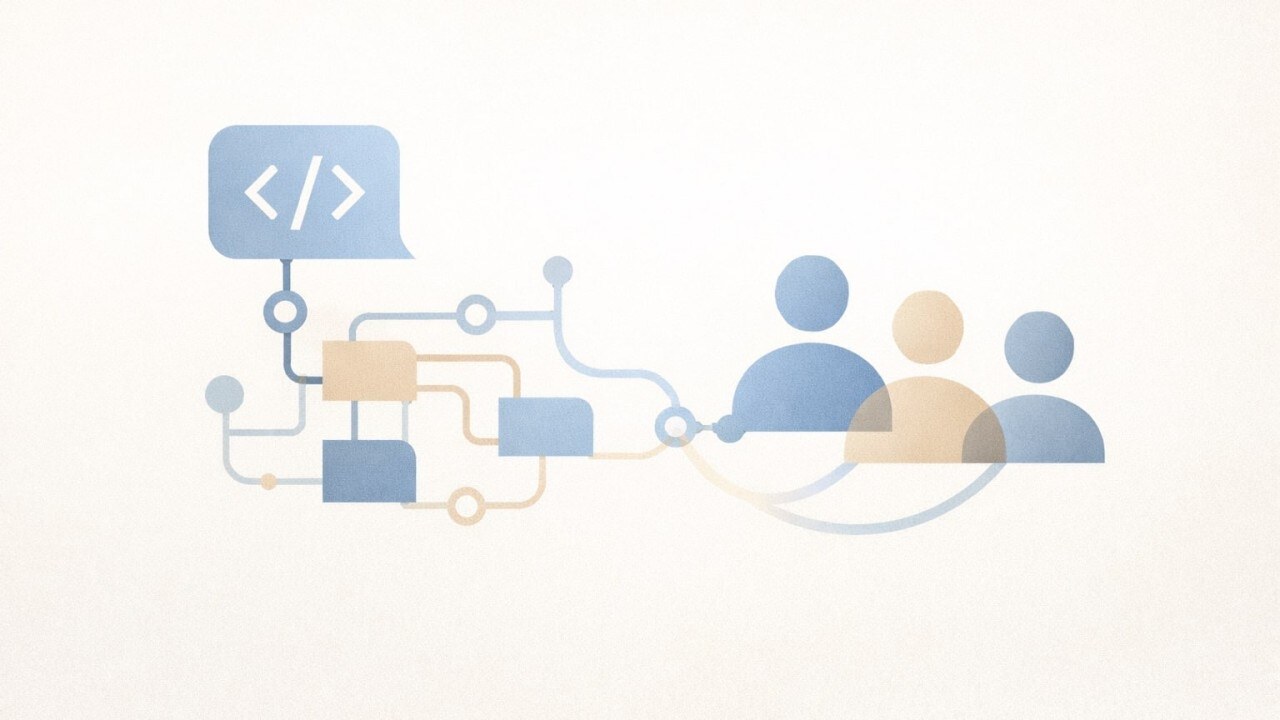
The trend that has an impact is not AI by itself, but how it integrates into internal platforms designed as a product.
When the organisation has no coherent platform, AI just makes what was already messy go faster.
This is where the tension appears. Many companies say they want autonomy for their teams without accepting the discipline that demands: standardise, measure, govern and look after the developer experience. Others fall into the opposite extreme and build controls so rigid that they block any initiative.
AI, without a platform, amplifies the sprawl. The platform, without AI, falls short of today's pace.
What works is uncomfortable: policies turned into code, golden paths that guide without imposing, and governance that accompanies instead of watching.
The difference is not in using AI. It is in building internal systems that let people do their work better and sustain it over time. That is not bought, it is designed. And it asks for culture, patience and technical leadership.
The question I ask myself, and leave open: how many organisations are ready to treat their internal platforms as a strategic asset and not as an inevitable cost?